- Home
- Pond Liner Calculator
Pond liners: installation and size guide
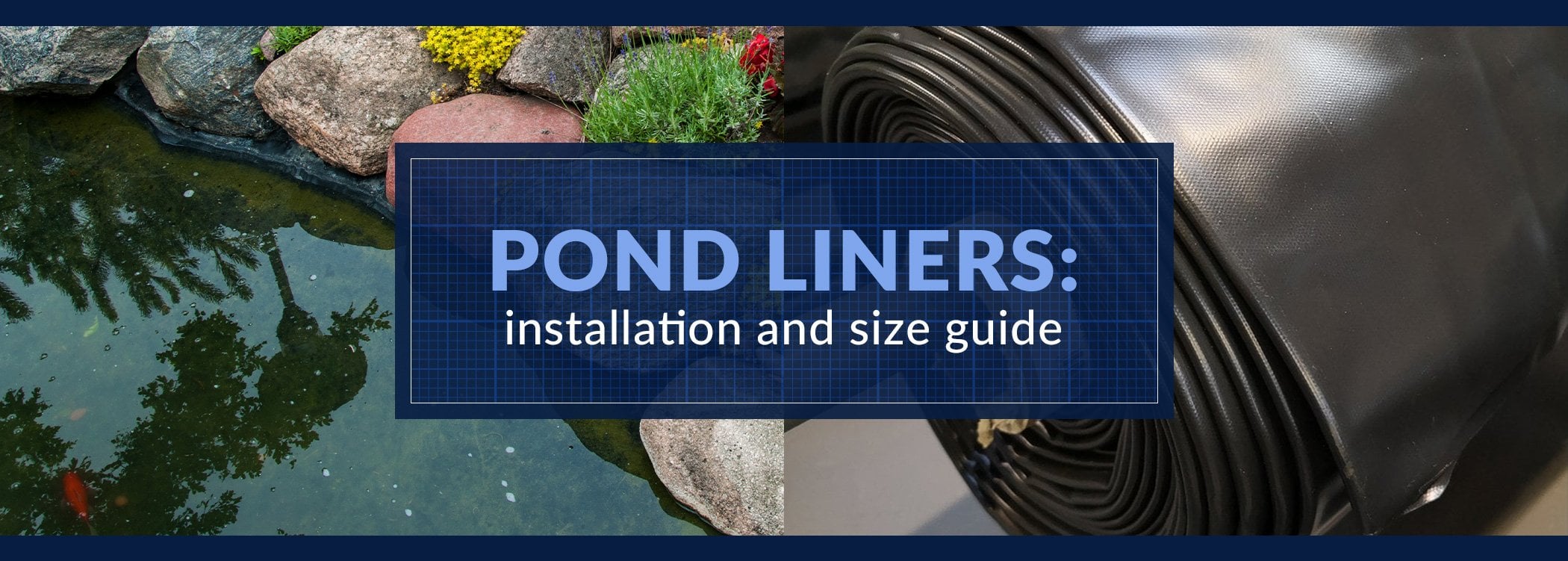
Pond liners are impermeable membranes that retain liquids in garden ponds, artificial streams and reservoirs. They are typically made from flexible materials like PVC or HDPE and are designed to protect against soil erosion, creating a controlled aquatic environment for fish and plants.
When installing a pond liner, it must be correctly sized, ensuring the pond is watertight and preventing potential leaks from too much tension in the liner. Using a pond liner calculator can help you choose the correct size, making it easier to install whilst allowing you to take advantage of other benefits, such as durability and material efficiency.
The pond liner calculator below will help you choose the right-sized liner using a few basic measurements, with the option to choose either metres or feet, depending on your preference.
You’ll also need a layer of protective underlay to sit below the liner. Typically made from a geotextile fabric, this underlay should protect your liner from sharp objects in the ground and act as a barrier between the soil and the pond liner.
When installing a pond liner, it must be correctly sized, ensuring the pond is watertight and preventing potential leaks from too much tension in the liner. Using a pond liner calculator can help you choose the correct size, making it easier to install whilst allowing you to take advantage of other benefits, such as durability and material efficiency.
The pond liner calculator below will help you choose the right-sized liner using a few basic measurements, with the option to choose either metres or feet, depending on your preference.
You’ll also need a layer of protective underlay to sit below the liner. Typically made from a geotextile fabric, this underlay should protect your liner from sharp objects in the ground and act as a barrier between the soil and the pond liner.
When installing a pond liner, it must be correctly sized, ensuring the pond is watertight and preventing potential leaks from too much tension in the liner. Using a pond liner calculator can help you choose the correct size, making it easier to install whilst allowing you to take advantage of other benefits, such as durability and material efficiency.
The pond liner calculator below will help you choose the right-sized liner using a few basic measurements, with the option to choose either metres or feet, depending on your preference.
You’ll also need a layer of protective underlay to sit below the liner. Typically made from a geotextile fabric, this underlay should protect your liner from sharp objects in the ground and act as a barrier between the soil and the pond liner.

How to calculate pond liner size
Before using the pond line calculator, measure your pond's longest, widest and deepest points. If you have an L-shaped pond, you can break it into separate rectangular segments and calculate each part separately.
Once you have these measurements, add them to the calculator below to see how much pond liner you need:
How to install a pond liner
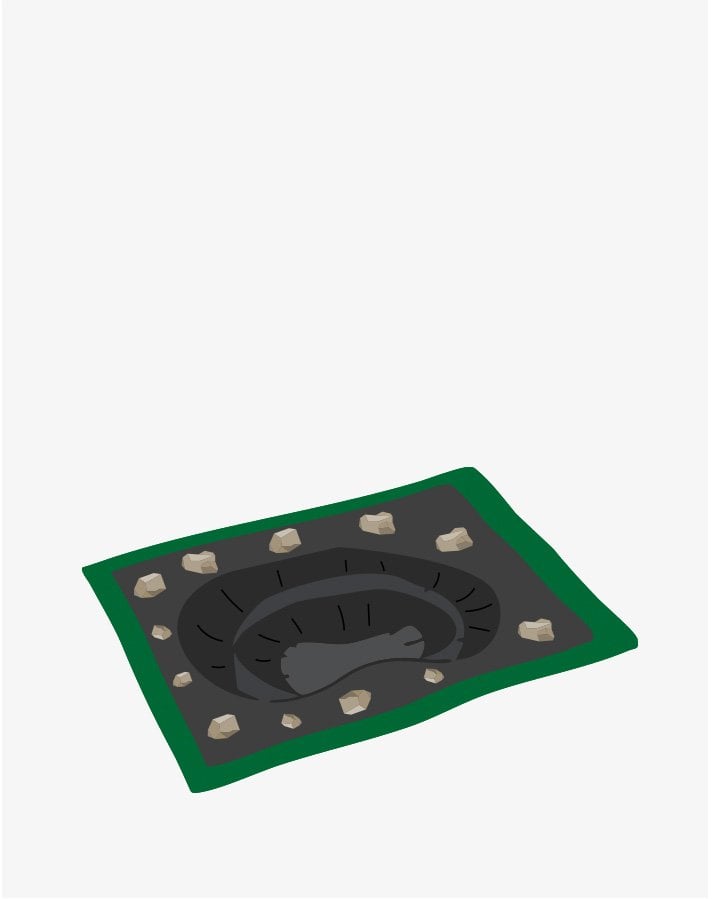
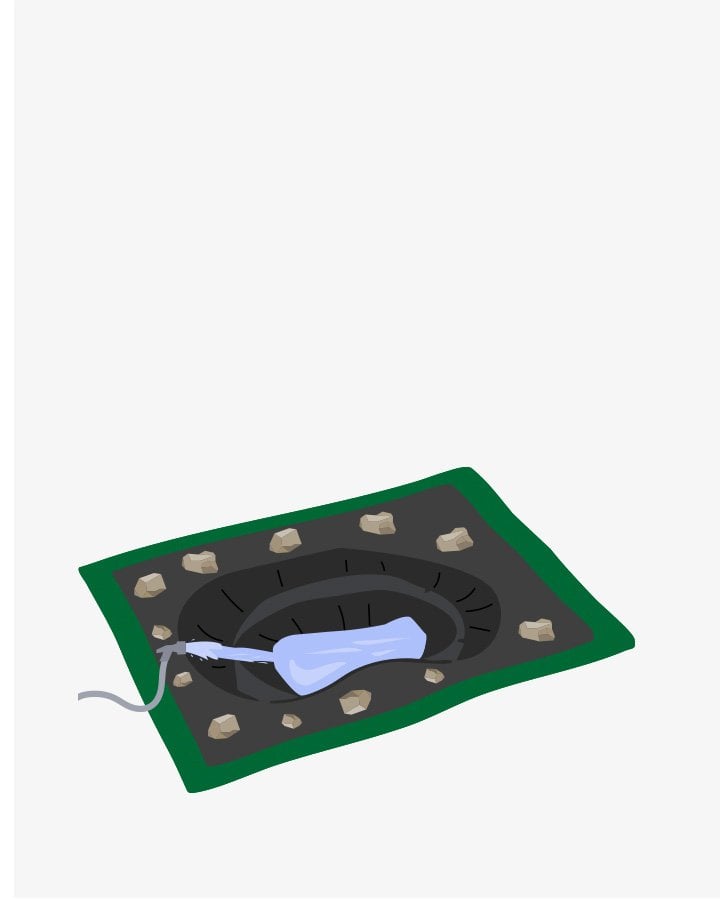
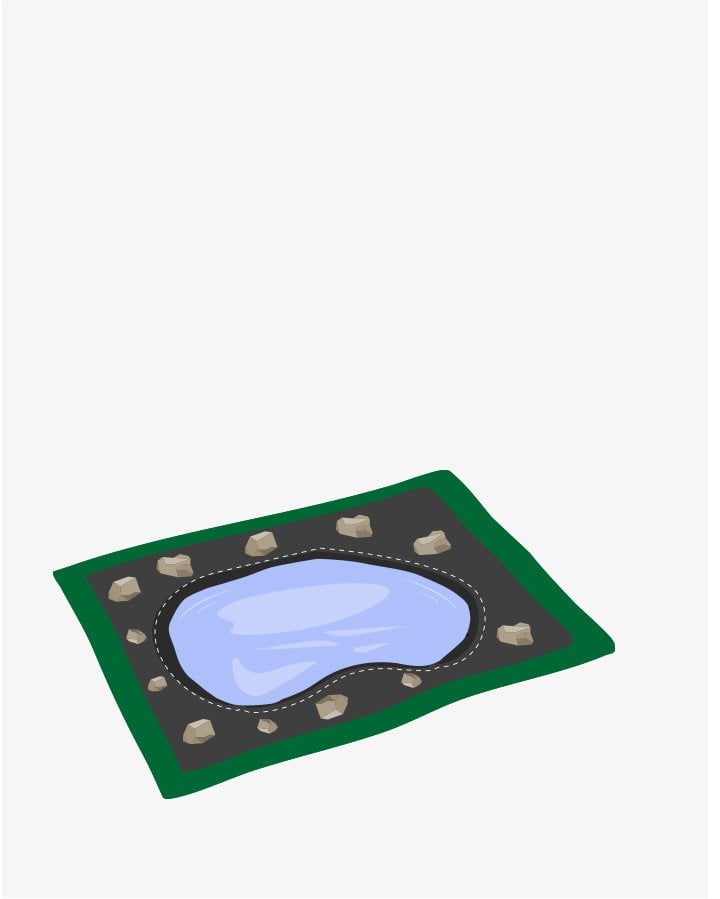
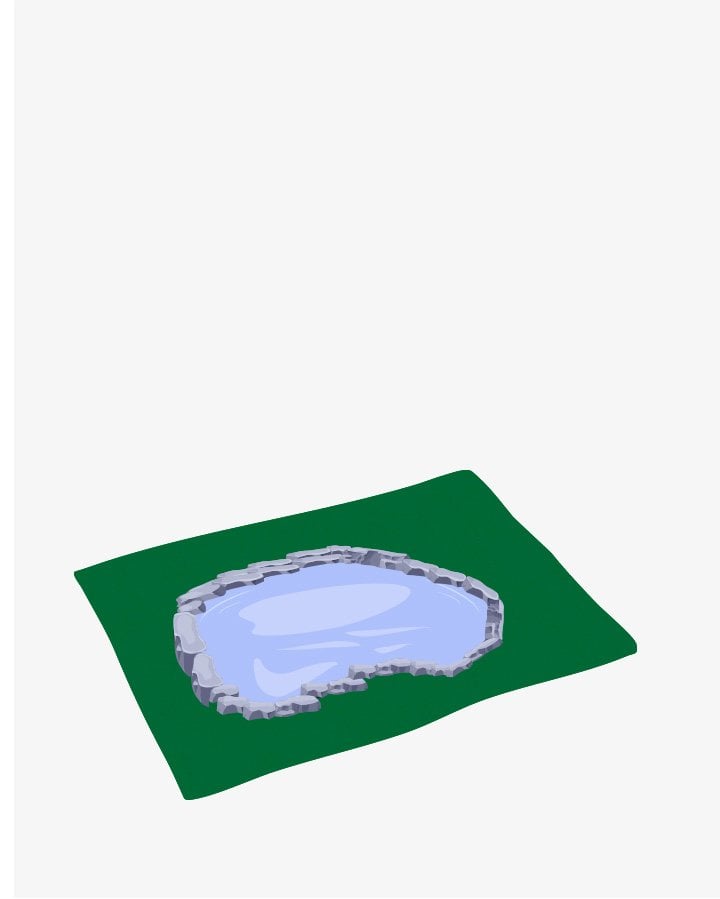
PVC pond liner is flexible, easy to handle and good value for money, suitable for most pond sizes. Rubber liners made from EPDM have similar properties, with the additional bonus of being resistant to temperature changes, punctures and tears.
If you’re looking for something low maintenance with high durability, fibreglass pond liner provides a strong, seamless finish that can withstand heavy loads in various shapes and sizes.
PVC pond liner is flexible, easy to handle and good value for money, suitable for most pond sizes. Rubber liners made from EPDM have similar properties, with the additional bonus of being resistant to temperature changes, punctures and tears.
If you’re looking for something low maintenance with high durability, fibreglass pond liner provides a strong, seamless finish that can withstand heavy loads in various shapes and sizes.
PVC pond liner is flexible, easy to handle and good value for money, suitable for most pond sizes. Rubber liners made from EPDM have similar properties, with the additional bonus of being resistant to temperature changes, punctures and tears.
If you’re looking for something low maintenance with high durability, fibreglass pond liner provides a strong, seamless finish that can withstand heavy loads in various shapes and sizes.

Related guides