
A beginner’s guide to keeping reptiles
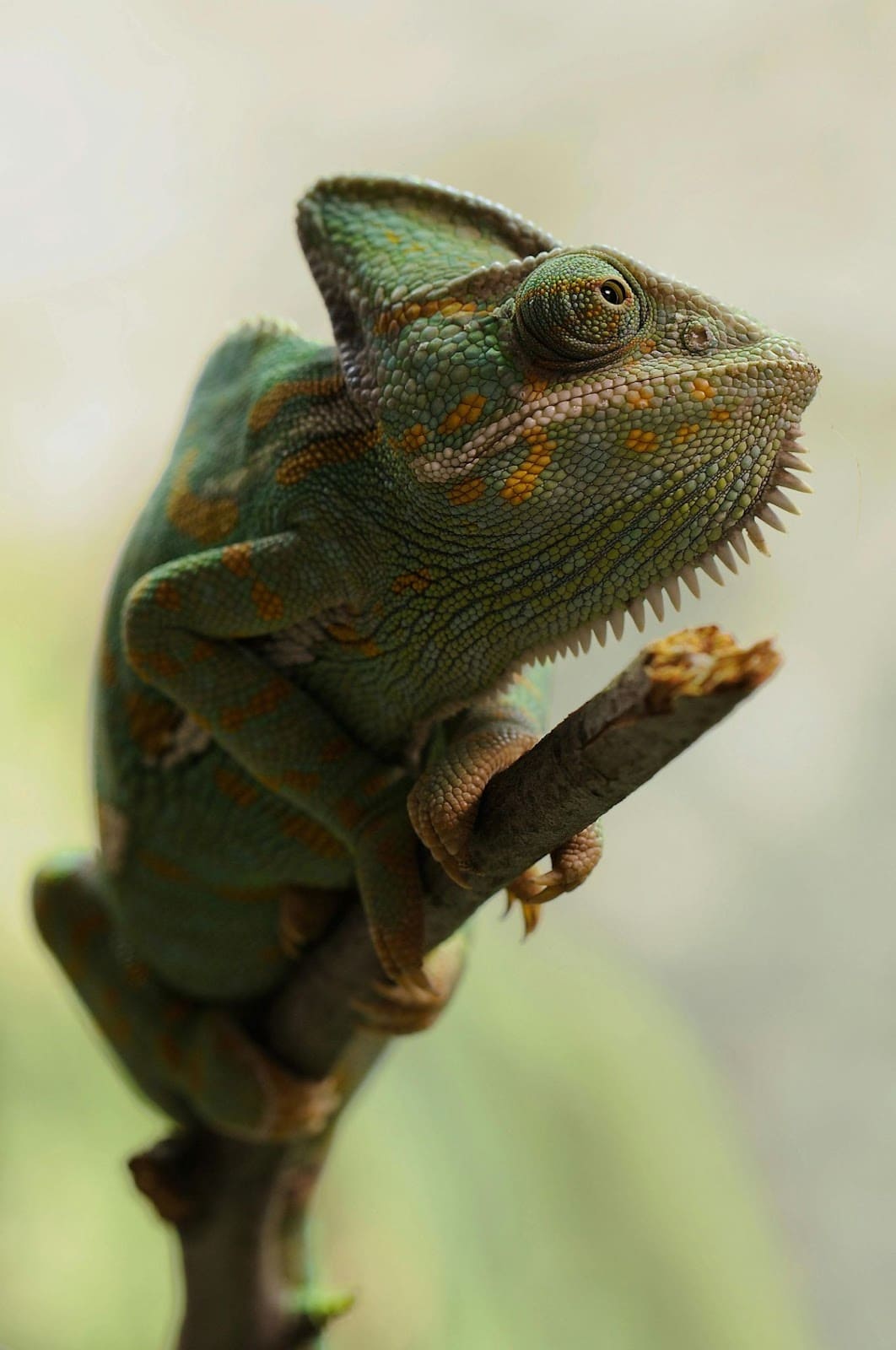
What are the best reptiles for beginners? Though they are a popular choice for a pet, there’s a big difference between reptiles suitable for newbies and those better suited to experienced owners.
If you’ve already started browsing, you probably already know there are plenty of options out there, from leopard geckos to ball pythons and everything in between.
But before you run out and buy your chosen reptile – not to mention a reptile heat lamp, reptile food and a reptile enclosure – you probably need to do a little research, which is why we’ve written this guide.
To find out more about the basics of reptile care, read on: this blog will guide you through everything you need to know.
Table of contents:
- What are the best reptiles for beginners?
- What type of heating and lighting do reptiles need?
- How often should I feed my reptile?
- How do I choose the right enclosure for my reptile?
What are the best reptiles for beginners?
Geckos
Due to their tough constitution and docile nature, geckos – specifically leopard geckos, but also crested geckos – are considered to be good pets for beginners. As well as being small in size, they are easy to handle, low-maintenance, and don’t require complex light setups.
Corn Snakes
Much like leopard geckos, corn snakes are easy to handle and don’t require complex light setups. With proper care, they can live for up to twenty years without growing too large in size, making them a popular choice for beginners.
Bearded Dragons
Bearded dragons are good first-time reptiles, but are a little more challenging than the others mentioned in this blog. Due to the need for relatively high temperatures and exposure to both UVA and UVB light, the equipment required to maintain them is relatively expensive. They also require a large tank, as they reach a size of 18-24 inches in length once fully grown.
Ball pythons
Ball pythons are quite docile and, as a result, are the most common type of pet snake. They are relatively low-maintenance and only need feeding once a week. That said, some ball pythons can refuse to eat, so finding a healthy, captive-bred ball python is advised.
What type of heating and lighting do reptiles need?
Due to being cold-blooded, reptiles need warmth and UV light to mimic sunlight so they can regulate their body temperature and synthesise vitamin D.
For them to bask in heat, equipment such as basking lamps, heat mats and UVB lamps are examples of the types of things you might need, depending on the type of reptile you choose.
Regardless of the finer details, equipment that can mimic sunlight is key, so be sure to look into what your reptile needs specifically, including understanding reptile heat lamp safety and reptile heat map safety.
How often should I feed my reptile?
Unlike humans, most reptiles eat every two to three days, with the exact amount and frequency being determined by factors such as their size, weight, age and, in some cases, environment.
For example, lizards generally eat more regularly than snakes, and young reptiles tend to need food more often than older ones to support their rapid growth rate.
Whatever reptile you decide on, you must look into the best habitat to get into to support its growth and help it live healthily.
How do I choose the right enclosure for my reptile?
Much like food, heating, and lighting, knowing which type of enclosure is best for your reptile depends largely on its size, as well as its natural behaviour.
In general, the enclosure should be the right size for your reptile once it’s fully grown, which usually means one and a half times its length once it has reached full size.
Adequate ventilation, temperature control capabilities and ample room for a basking spot are also important, so be sure to consider these when browsing reptile tanks.
Browse reptile equipment at Discount Leisure Products
Ensure your reptiles are healthy and happy by browsing our varied selection of reptile supplies at Discount Leisure Products.
Comments are closed here.