
Dive into Nature: Your Complete Step-By-Step Guide On How to Build a Natural Swimming Pool
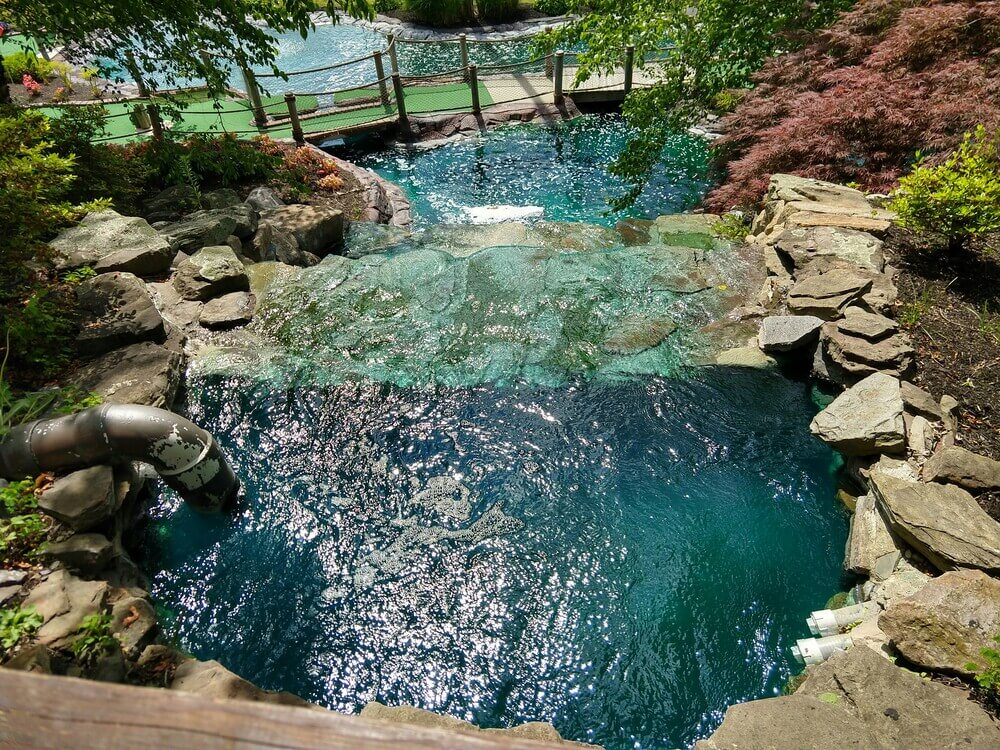
Tired of chlorine fumes and artificial blue water? A natural swimming pool (NSP), or swimming pond, offers a beautiful, chemical-free, and ecologically alternative option to a traditional pool. Imagine swimming in crystal-clear, natural water surrounded by lush, vibrant aquatic plants.
As your trusted supplier of pond and pool equipment, we at Discount Leisure Products have compiled this comprehensive guide on building a natural swimming pool. We’ll walk you through the entire process, from understanding the science to stocking up on the essential gear you need for your eco-friendly swimming oasis, and answer all your FAQs to put you on the right track.
Table of contents:
- What is a natural swimming pool, and how do natural swimming pools work?
- Natural swimming pools: pros and cons
- How to build your own natural swimming pool
- How much does a natural swimming pool cost?
- Can you turn a pond into a natural swimming pool?
- Natural pond swimming pool FAQs
- How to maintain a natural swimming pool, and how to keep a natural swimming pool clean
- Key takeaways
What is a natural swimming pool, and how do natural swimming pools work?
Natural swimming pools are contained, recirculating bodies of water that utilise biological and mechanical processes to maintain the water’s purity and cleanliness, eliminating the need for harsh chemicals like chlorine.

The science behind a natural self-cleaning swimming pool
The magic lies in the pool’s two main zones:
- The Swimming Zone: The deep, open area where you swim.
- The Regeneration Zone (or Planting Zone): A shallower area, usually separated from the swimming zone, filled with aquatic plants, gravel, and microorganisms which act as the natural filter.
Water is continuously circulated between these two zones with the help of a pump.
- But what about filtration? As the water flows through the gravel and the roots of aquatic plants in the regeneration zone, the gravel acts as a mechanical filter, trapping fine debris.
- How does the pool stay purified? The key is biological purification. The plants and the beneficial microorganisms living on the gravel and plant roots consume the excess nutrients (like phosphates and nitrates) in the water, nutrients that would otherwise feed unwanted algae. By starving the algae of food, the plants naturally keep the swimming zone water crystal clear and clean.
This harmonious, chemical-free system provides you with clean, soft water that is better for your skin, eyes, and the environment.

Natural swimming pools: pros and cons
Natural swimming pools provide a fundamentally different swimming experience compared to traditional, chemically treated pools. However, if you’re still unsure whether a homemade natural swimming pool is for you, we’ve compiled a list of pros and cons for you to consider before committing to the build. It’s vital to weigh the advantages against the unique challenges before building your own natural swimming pool, as it is a significant undertaking.
| Pros | Cons |
| Chemical-free swimming = Healthier and gentler on your body. The water is soft and pure, relying on natural biological processes for its purity. This eliminates the chlorine smell and the irritation to skin, eyes, and lungs associated with chemical disinfection and its by-products. | Higher initial cost, complexity and intricate design. The need for a separate regeneration zone, specialised liners, complex hydraulics, and carefully selected, low-nutrient gravel can result in higher initial construction costs compared to a basic traditional pool. Finding experienced NSP builders can also be challenging. |
| Environmental harmony and eco-friendliness. An NSP is a self-sustaining ecosystem that attracts beneficial wildlife, such as frogs, dragonflies, and newts, thereby increasing biodiversity in your garden. There is no need to backwash chemically-treated water into the drainage system. | Space requirements as it needs more room. Due to the requirement for a large regeneration zone (often 50% of the total area), an NSP takes up significantly more garden space than a conventional pool of the same swimming size. |
| Aesthetics and blending, with a visually stunning appearance. With their lush planting and natural-looking materials, NSPs blend seamlessly into the garden landscape. They resemble a beautiful, clear pond or lake, becoming an attractive garden feature year-round, rather than just a seasonal hole in the ground. | Clarity vs. Sterility: The water is not sterile. The water will be clean and pure, but unlike a chlorinated pool, it is not sterile. While highly sanitary, some people may be uneasy about swimming in a natural ecosystem, particularly due to the presence of harmless biofilm on the walls. |
| Lower running costs and energy efficient. Once established, the main running costs are powering the low-wattage circulation pump. There are no ongoing expenses for chlorine or other chemical treatments, and without forced heating, energy bills are significantly lower than a traditional pool. | Temperature and Seasonality: Unheated and seasonal. Most NSPs are unheated and rely on natural solar gain for heating. This means they are generally cooler than heated pools, and their comfortable swimming season in the UK may be shorter. |
| Soft water and a natural feel. The water feels softer and more pleasant to swim in, mimicking the experience of swimming in a natural lake. | Plant Maintenance: Not maintenance-free. Aquatic plants require regular management, including trimming and removal of dead material (especially in autumn), to extract nutrients from the system and prevent algae blooms. If you neglect the plant zone, the swimming zone will suffer as a result. |
| Algae control is a delicate balance. The balance between plants and nutrients is delicate. High nutrient input (from leaves, debris, or unfiltered top-up water) can easily cause temporary algae growth and reduced clarity until the ecosystem rebalances. |
How to build your own natural swimming pool
Building a natural swimming pool pond requires careful planning and execution. Keep your design simple; box or oval shapes are often the easiest and most cost-effective to build and line.
Before you begin, ensure you have all the necessary items. Building a natural swimming pool requires a specific set of products to create and maintain the self-cleaning ecosystem. Here is a consolidated list of the necessary natural swimming pool supplies and tools, along with the relevant product categories available on our website:


Your DIY natural swimming pool kit list
- To excavate your natural pool, we recommend using a small one-person digger.
- Geotextile underlay and pond liner
- Gravel or substrate
- Pool steps or jetty materials
- An energy-efficient pond pump
- Piping, hoses & connectors
- A skimmer unit
- Phosphate removal media to pre-treat mains water when filling or topping up the pool.
- Aquatic plant baskets
- Water-filtering plants

Step 1: Planning and Design
- Size & shape: A key rule of thumb is that the regeneration zone should be approximately equal in size to the swimming zone (a 1:1 ratio) to ensure efficient natural filtration. For example, for a 40m swimming zone, you would typically need a total pool area of around 80m. Avoid building too close to large trees whose roots could damage the liner.
- Depth: A swimming depth of around 1.5m to 1.8m is comfortable for swimming and easier to clean, as it requires less structural reinforcement than deeper walls.
- The Divide: Plan to separate the swimming area from the regeneration zone using a low, submerged wall (around 30cm below the water surface) to ensure clear boundaries.
Step 2: Excavation
- Marking Out: Clearly mark the shape and dimensions of both the swimming and regeneration zones on the ground.
- Digging: Excavate the area. Dig the swimming zone to the required depth (e.g., 1.5m-1.8m) and the regeneration zone to a shallower depth (e.g., 30cm-50cm). A flat bottom in the swimming zone is easier to dig and clean.
- Wall Formation (DIY Budget Tip): You can use compacted soil, sandbags, or simple retaining walls to form the shape and the internal division, keeping complexity and cost down.
Step 3: Liner Installation
This step is critical for waterproofing.
- Underlay: Lay a thick, protective geotextile pool underlay, such as our Gordon Low Heavy Duty Fish Pond Underlay, over the entire excavated area to prevent sharp stones or roots from puncturing the liner.
- Liner Placement: Carefully lay your EPDM or PVC pond liner over the underlay, moulding it to the contours of your dig. Black liners are often favoured as they help absorb solar energy for passive heating. You can also opt for a box-welded liner for simpler installation in a rectangular shape.
We offer a range of heavy-duty liners and underlay suitable for all natural swimming pool sizes and shapes. Find out how much pond liner you need with our helpful Pond Liner Calculator:
Step 4: Installing the Filtration/Circulation System
Even in a “natural” pool, water circulation is vital to move water to the regeneration zone for cleaning. Therefore, it’s essential to install a water pump in your system.
- Pump: Install a reliable, energy-efficient pond pump that can circulate the entire pool volume within a reasonable timeframe. This pump will push water from the swimming zone, through the filter elements, and then into the plant zone or a waterfall for oxygenation.
- Piping: Lay the necessary piping and connectors from the swimming zone (often via a skimmer) to the regeneration zone. Keep pipework to a minimum to reduce the risk of leaks.
Browse our selection of low-wattage pond pumps and durable piping perfect for continuous use in a natural outdoor swimming pool.
Step 5: Creating the Regeneration Zone
- Gravel/Substrate: Fill the regeneration zone with a clean, low-nutrient substrate, such as pea gravel (2-8mm). Doing this provides the surface area for the beneficial bacteria to colonise and for the plant roots to anchor. Crucially, ensure the substrate is phosphate-free to prevent algae growth.
- Planting: Introduce your aquatic plants into the gravel substrate.

The best plants for natural swimming pools
The example below makes for fantastic natural swimming pool plants. They are excellent at removing excess nutrients and oxygenating the water:
- Water Lilies: Provide shade to keep the water cool and inhibit algae growth.
- Water Iris (e.g., Iris pseudacorus): Known for their nutrient-stripping capabilities.
- Bulrushes and Reeds (e.g., Phragmites, Typha): Highly effective filters, though they can be invasive and need managing.
- Water Mint (Mentha aquatica): Adds a pleasant scent and is a great nutrient absorber.
- Forget-Me-Nots (Myosotis scorpioides): Attractive and help with purification.
Use aquatic plant baskets to keep them in place.
Step 6: Filling and Balancing
- Filling: Fill the pool with fresh water. Do not use unfiltered hose water for topping up, as it can be high in phosphorus, which encourages the growth of algae. Use a water filter or a dedicated phosphate removal medium if using mains water for the initial fill.
- Wait and Test: Allow several weeks for the ecosystem to establish. The water will likely be cloudy at first. Use a water test kit to regularly monitor your water quality (especially pH and phosphate levels) and ensure the system is balancing out.
How much does a natural swimming pool cost?
A natural swimming pool is a significant investment. Costs vary significantly based on size, design complexity, and whether you hire professionals or opt for a DIY approach. Here is a rough breakdown of the cost to build a natural swimming pool.
| Item | Professional Installation (Average) | DIY / On a Budget (Estimate for materials) |
| Total Build Cost | £60,000 – £90,000+ (For a typical 80 m² pool) | £10,000 – £30,000 (Excluding major labour/digging costs) |
| Per m² | Approx. £350 | Varies wildly based on labour, materials, and size. |
| Key Factors | Design complexity, site access, professional fees, and choice of liner/finishes. | Liner, pump, piping, gravel, plants, and excavation machinery hire. |
Tips for creating a DIY natural swimming pool
If you are trying to save money, we recommend building a DIY, low-budget, small backyard natural swimming pool. Here are our top tips:
- Simplify the design: Choose a simple rectangular or box shape. This shape is much easier for excavation and reduces the cost of a custom-shaped liner.
- Go flat-bottomed: A flat bottom is easier to dig and requires less complex wall reinforcement than a pyramid bottom.
- Self-digging: Hire an excavator and do the digging yourself (ensure you know what you are doing, including soil stability and proper drainage).
- Minimise fittings: Every pipe, skimmer, or inlet adds a breach point to the liner. Keep these to a minimum to simplify the installation and reduce costs.
Can you turn a pond into a natural swimming pool?
If you already have a garden pond, you may be able to convert it, saving significant excavation costs. Here’s how to convert a pond into a natural swimming pool in 6 steps.
Conversion Steps:
- Drain and clean: Completely drain the pond and remove all sludge, silt, and detritus.
- Restructure: If the pond is too small, you will need to dig and restructure to create a deep enough swimming zone and a new, distinct regeneration zone.
- Liner check: If the existing liner is old, consider relining it to ensure a perfect seal for a swimming pool environment.
- Add separation: Install a low, submerged wall to separate the existing pond area (now your regeneration zone) from the new, deeper swimming zone.
- Install circulation: Add a pump and piping to ensure water circulates from the swimming area back through the new regeneration zone.
- Planting: Add the appropriate nutrient-stripping aquatic plants to the regeneration zone.

Natural pond swimming pool FAQs
We’ve answered some of your frequently asked questions about backyard natural swimming pools to help you through the building process.
Can you heat a natural swimming pool?
Traditional natural water swimming pools are unheated, relying on natural solar gain (especially with a black liner) for warmth. Additionally, plants and biological balance are sensitive to high temperatures; therefore, we recommend avoiding the use of heating in biologically natural swimming pools.
- Impact: Adding traditional heating systems (such as gas or electric heaters) can raise the water temperature too high, upsetting the biological balance, killing beneficial microorganisms, and causing massive algae blooms, defeating the purpose of the natural system.
- The Compromise (Eco-Heating): If you absolutely must have a warmer pool, the most eco-friendly option is an Air Source Heat Pump combined with an external, professional-grade biological filter system (separate from the regeneration zone). The heat pump is highly efficient, but it is essential to monitor the temperature carefully to protect the pool’s ecosystem.
Can you have fish in a natural swimming pool?
The simple answer is yes, it is possible to have fish, but they will impact the ecosystem and complicate the purification process.
- The Impact: Fish waste introduces a significant nutrient load (nitrates and phosphates) into the water. While a natural plant-filtered swimming pool’s ecosystem can handle some waste, a high stocking density will overwhelm the plants and lead to algae problems.
- Additional Requirements: If you plan to stock fish, you will need to invest in a larger, more robust mechanical and biological filtration system, in addition to the plant zone, to handle the extra waste. You must select hardy fish that will not disturb the planting beds.
Are natural swimming pools safe to swim in?
Yes, when properly built and maintained, natural organic swimming pools are safe and sanitary.
- Sanitation: The water is continuously filtered and purified by the regeneration zone.
- Safety Tips:
- Access: Include clear entry and exit points, such as steps or a timber jetty, especially for a deep swimming zone.
- Boundaries: Ensure the separation wall between the swimming zone and the shallow regeneration zone is clearly visible and distinct.
- Depth markers: Use clear depth markers.
- Supervision: Always supervise children around the water.
Do natural swimming pools attract mosquitoes?
A well-designed nature swimming pool should not become a breeding ground for mosquitoes. Mosquitoes prefer standing, stagnant water. The key preventative measures are:
- Circulation: The continuous circulation of water from the pump makes it difficult for mosquitoes to lay their eggs.
- Natural predators: The established ecosystem will attract beneficial wildlife, such as frogs and dragonflies, which naturally consume mosquito larvae.
- Planting: Incorporate mosquito-repelling plants around the poolside, such as Lavender or Lemon Balm.
Do you need planning permission for a natural swimming pool?
In the UK, an outdoor domestic swimming pool or pond often falls under ‘permitted development‘ rights, meaning you may not need full planning permission, provided it meets certain criteria:
- The outdoor natural swimming pool is for private use only (not for commercial purposes).
- It is not within the curtilage of a Listed Building.
- It is not in a sensitive area (like a Conservation Area or Area of Outstanding Natural Beauty).
- It does not take up more than 50% of your garden space.
Crucially, you must always check with your Local Authority and ensure your pool adheres to Building Regulations, particularly concerning electrical safety, drainage, and structural stability.
How to maintain a natural swimming pool, and how to keep a natural swimming pool clean
While natural swimming pools are self-cleaning, they are not zero-maintenance. Regular, simple tasks help maintain a balanced ecosystem and keep the water clear. We’ve broken down your NSP maintenance and cleaning tasks into daily/ weekly, and monthly seasonal ticklists.

Daily/Weekly Tasks
- Skimming: Regularly use a skimmer net to remove leaves, dust, and surface debris, especially in autumn. Decomposing organic matter feeds algae!
- Pool robot: Use a pool vacuum or robot cleaner weekly in the swimming zone to remove fine sediment from the bottom without damaging the liner.
Monthly/Seasonal Tasks
- Water testing: Use your water test kit monthly to monitor key parameters, such as pH and nutrient levels (especially phosphates).
- Brushing: Gently brush the pool walls and steps once a month to prevent the buildup of biofilm and calcification.
- Plant trimming: In spring and autumn, trim back the aquatic and marginal plants in the regeneration zone. Remove the cuttings completely to extract the stored nutrients from the pool system.
- Topping up: If the water level drops due to evaporation, only top up with filtered water to avoid introducing high levels of phosphorus.
Deep Clean (Every 3-5 Years)
Approximately every few years, a professional deep clean may be required. A deep clean can involve draining the pool to:
- Clean the liner and features.
- Remove accumulated sediment from the regeneration zone (preventing anaerobic conditions).
- Potentially replace specialised filter media (like Phostech).
Key takeaways:
- Natural swimming pools are self-cleaning ecosystems. They use zero chemicals. Water is purified naturally by plants and microbes, making swimming healthier and gentler on the skin.
- Size and circulation are key. The regeneration zone must be large, ideally matching the size of the swim zone. A pump must constantly circulate water between the two areas to ensure that the water remains clean and clear.
- Initial costs are high. Building eco-friendly natural swimming pools is expensive and complex. Costs typically start high; however, simple designs and DIY labour can reduce this cost.
- Heating and fish are tricky. Traditional heating can ruin the pool’s ecosystem. It promotes algae growth. Adding fish also overloads the system. If you add these, they require extra, strong mechanical filtration.
- Maintenance focuses on plants. Running costs are low. However, regular upkeep is essential. You must trim and remove plants on a seasonal basis to extract nutrients and prevent algae problems.
Make your own natural swimming pool with Discount Leisure Products
With the right tools and planning, building a natural swimming pool should be a fun outdoor project that you can enjoy for years to come, reaping the benefits of mental and physical well-being.
Discover everything you need to build a natural swimming pool at Discount Leisure Products, featuring our extensive pond and pool collections.
Related blogs:
Comments are closed here.