
How to Prevent Algae Growth in Ponds During Winter
Taking care of your pond during winter is essential for it to look its best and healthiest come spring and summer. While winter maintenance is less pressing, your pond shouldn’t be ignored. Keep an eye out for loose leaves, areas that get little sunlight and the nourishment of your fish, to name a few.
Another factor you’ll have to consider during winter is, somewhat surprisingly, pond algae. It may seem unusual, but algae treatment is often still required during the colder seasons. At Discount Leisure Products, we’re here to help. Our guide will detail how and why algae can appear during winter and what you can do to best combat it.

Table of contents
- Does pond algae die in winter?
- What keeps winter pond algae growing?
- How to control winter pond algae
- Pond algae treatments at Discount Leisure Products
Does pond algae die in winter?
Cold weather makes it difficult for pond algae to thrive. Winter usually proves a difficult time for algae as the nutrients necessary to survive, including organic material like fish food and waste, become scarce.
Despite this, string and single-cell algae can pop up occasionally during winter. Some species of algae are tougher than others, and some can survive even in difficult conditions, including ponds coated in ice. If algae receive just enough light and nutrients, they may be able to see the winter through and even grow.
Winter algae won’t take over your pond or grow at the same rate as in spring and summer, so there won’t be any major outbreaks. Still, monitoring and addressing when it becomes an issue is useful.
What keeps winter pond algae growing?
While conditions won’t allow algae to thrive, it can still appear here and there, thanks to numerous factors. We’ve broken down the main causes of winter algae below to help you combat the root cause.
Unexpectedly high water temperatures
Winter isn’t always as cut and dry as it seems. The usual temperature benchmark for algae to grow is 8°C upwards, but water temperatures can often exceed this even during winter. February 2024 was the warmest in the UK on record, with temperatures averaging 7.5°C (Sencrop, 2024).
Peaks and troughs will impact the algae’s growth differently, but if temperatures increase consistently, they may persist for more of the year than we’re used to.
Accessible feed
Algae feed on the excess nutrients in your pond, most accessible during spring and summer. However, the supply isn’t completely cut off during winter. The common tactic to fend off algae in warmer seasons is to starve it. Filling your pond with helpful bacteria neutralises the nitrites and nitrates that algae feed on.
This process becomes less necessary as the temperature drops and the plants become dormant. Bacteria are also less effective during these periods. However, any organic material entering the pond can be seized and fed upon by lingering, out-of-season algae.
Flashes of sunlight
The sun isn’t out anywhere near as much as we’d like during winter, but it does make the odd appearance. Winter sun is often very bright and sits low, so although it doesn’t stick around for long, it sometimes offers what algae need to grow around your pond.
Even the coldest days aren’t immune to sunlight, and a layer of clear ice over your pond won’t be enough to prevent the sun from hitting your water. Much like how algae make the most of the few nutrients available during winter, it will do the same for sunlight.
How to control winter pond algae
While a small amount of algae won’t harm your pond, we understand your desire to remove it and keep your water as fresh as possible, even during the colder seasons. Consider our top tips for dealing with pond algae this winter.
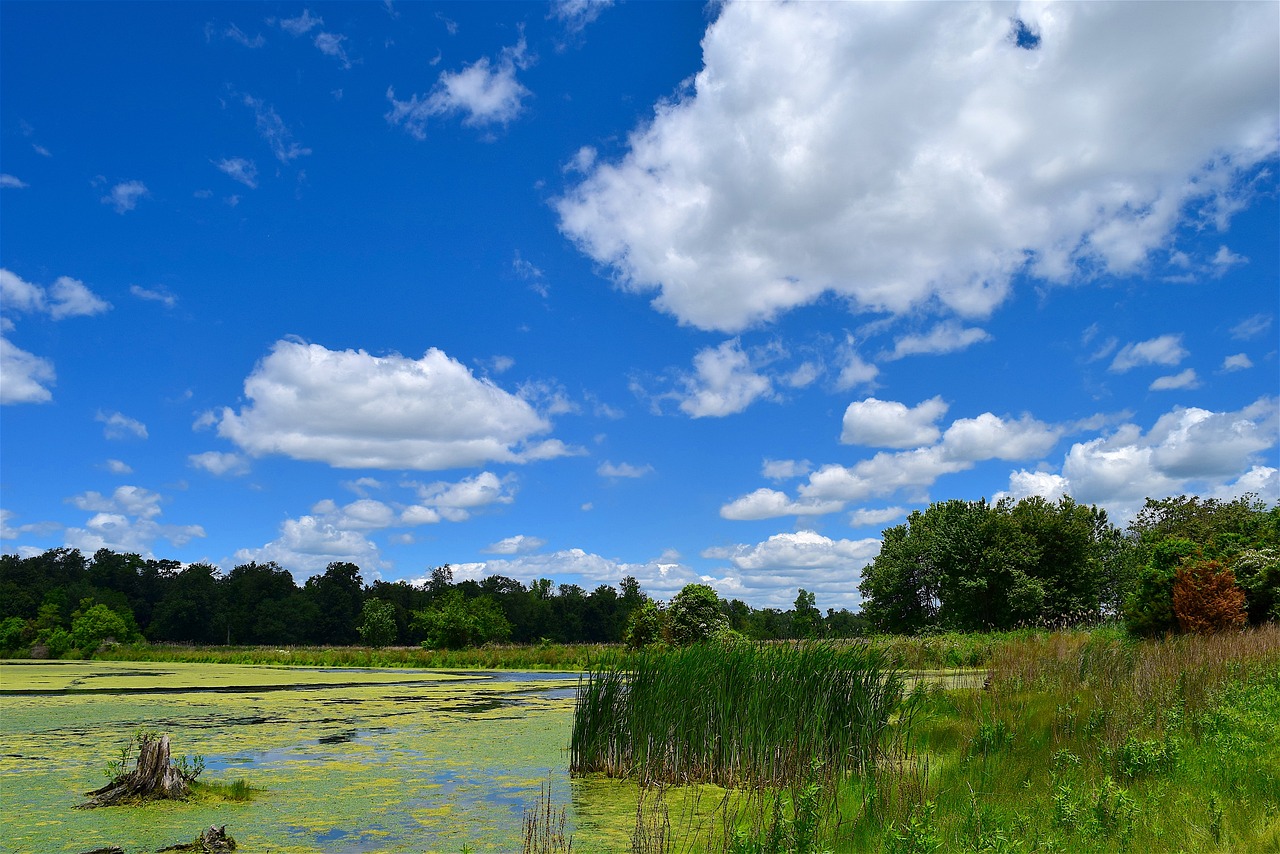
Leave it alone
We understand it might not be your first thought when you’re ready to take on unwanted algae, but there are benefits to letting it be during the winter. Algae usually don’t pose any direct risk to your fish or plants. In fact, it can be helpful during the winter as an additional snack for your fish.
Once the temperatures rise from their winter slumber, your plants and bacteria that work against the algae will return to life and take care of the problem for you.
Regular pond maintenance
Taking good care of your pond throughout the winter is the best way to fend off any unwanted factors, including algae. Prune your plants so leaves don’t overgrow and fall into the water. Clean the bottom of your pond with old-fashioned elbow grease and remove weeds to maintain your pond’s condition over the winter.
Control solutions
If you feel algae is becoming a problem for your pond despite the colder weather, there are solutions you can use that are effective year-round. Choose treatments that contain natural ingredients to help create and maintain a clear pond, even in winter.
Pond algae treatments at Discount Leisure Products
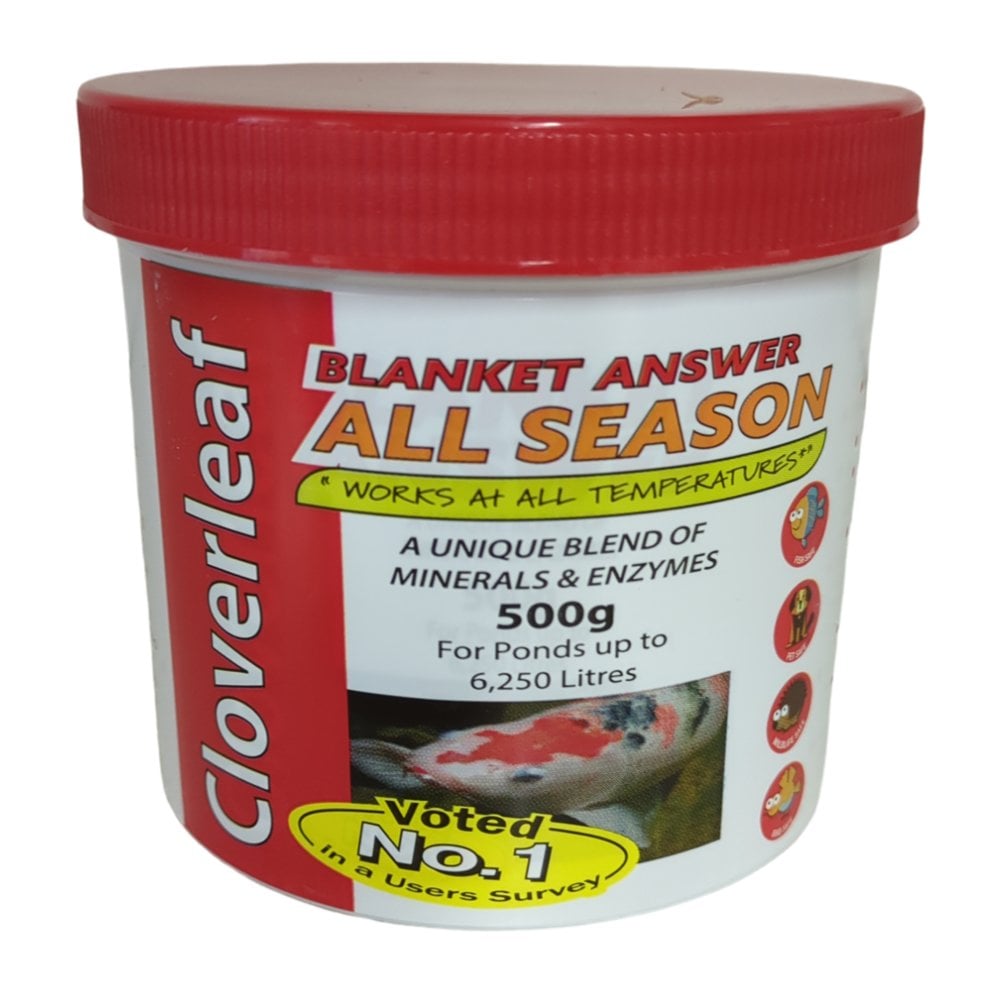
At Discount Leisure Products, we have a range of algae & green water treatments to help you tackle algae at any time of year. Wanting your pond to look its best isn’t exclusive to spring and summer, so use our cloudy water treatment, algae control balls and blanketweed treatment to guarantee a pristine look you can be proud to show off to friends and family year-round.
Comments are closed here.