
The Ultimate Guide to Hot Tub Winterisation & Cold Weather Care
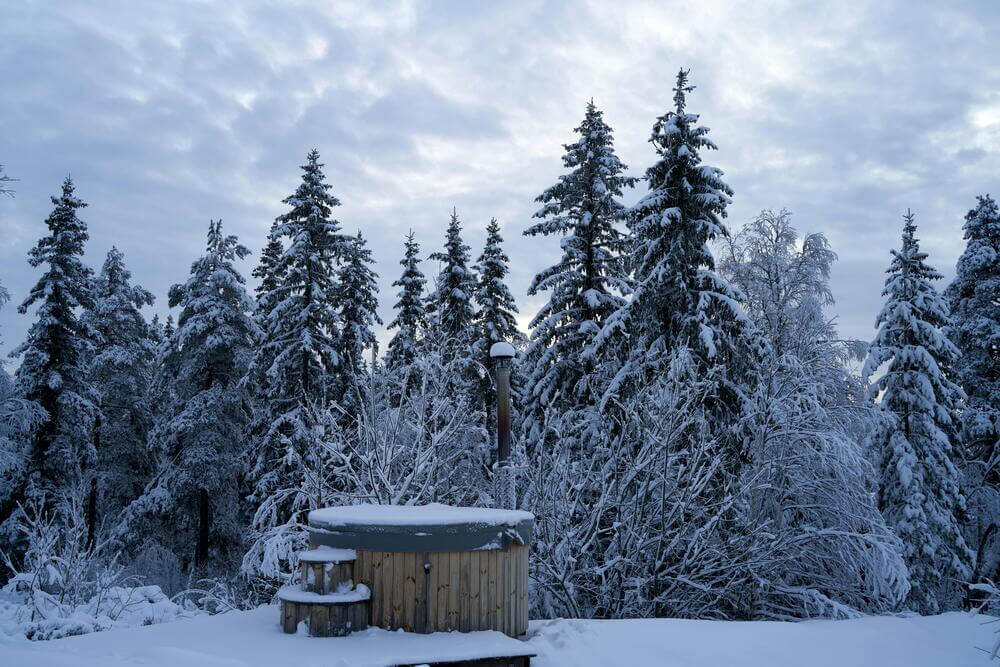
Keeping your hot tub running through a British winter can be a magical experience, but it requires a bit of “know-how” to ensure you aren’t met with a cracked pipe or a sky-high energy bill come spring. Whether you want to soak under the stars or pack it away until the sun returns, Discount Leisure Products has everything you need to winterise a hot tub.
The drop in temperature brings a wave of questions for hot tub owners. Can you use a hot tub in the winter? Can I leave my inflatable hot tub empty in winter? The complexity of freezing points, insulation, and chemical balances can feel overwhelming.
This guide takes you through essential winter hot tub care, step by step. By the end, you’ll move from foundational knowledge to practical decisions, ensuring your hot tub remains protected and efficient throughout winter. Let’s start by outlining what you’ll learn in this guide.
Guide roadmap:
- Decision Time: To use or to winterise?
- Winterising & Storage: A step-by-step shutdown guide
- Temperature Control & Efficiency: How to keep a hot tub warm in winter
- Maintenance & Winter Care: How to maintain a hot tub in the winter
- Freeze Prevention, Safety & Troubleshooting Errors
Key Takeaways
- Simply unplugging isn’t enough; use a wet/dry vacuum to purge all pipes and prevent freezing damage.
- Inflatable liners get brittle below 4°C–10°C; store them indoors for winter protection.
- Hot tubs lose more water in winter due to high evaporation, not leaks.
- A floating thermal blanket with your cover can reduce heat loss by up to 30%.
Foundational Knowledge: Hot tub winter basics
Before we dive into the “how,” let’s look at the “why.”
- What is hot tub winterisation? This is the process of completely draining and cleaning a hot tub to prevent the water from freezing inside the internal pipework (plumbing).
- The freeze risk: When water freezes, it expands. In a hot tub, this expansion can crack the acrylic shell, burst PVC pipes, and destroy the heater element.
- Ideal winter temperature: If you use your hot tub, keep the water between 37°C and 39°C. If you keep the tub running but seldom use it, set the temperature to around 20°C. This is often called “sleep mode” and prevents the water from freezing, thereby protecting internal components.

1. Decision time: To use or to winterise?
When deciding whether to run your hot tub all winter or pack it away, weigh the pros and cons of each option. Keeping your hot tub running lets you enjoy warm soaks during cold months, but it requires diligent chemical monitoring and increases energy use. Winterising protects your investment from freeze damage and cuts costs, but you lose access to winter soaks. Consider how often you plan to use it and whether you want to prioritise convenience, cost, or cold-weather enjoyment.
Are hot tubs good in winter?
Here’s a breakdown to help you decide if winter use or winterising is right for you:
| Keeping it on and using it in winter | Winterising (shutting down) | |
| Benefits of using a hot tub in winter | Amazing hydrotherapy; great for mental health. Pipe protection. | Zero electricity cost; no maintenance. |
| Drawbacks | Higher electricity bills; cold maintenance. | Risk of “biofilm” buildup if not dried properly. Requires a deep clean; all water must be removed. |
| Best For | Hard-shell acrylic tubs. | Inflatable tubs or holiday homes. |
| Cost | Depending on your energy tariff and insulation, running a tub in winter can cost between £2 and £5 per day. | Usually, the cost of a “Flush” cleaner and a cover is £20–£50. |
If you choose to use your hot tub during winter, leaving it on helps protect the internal plumbing from freezing. If left on, the thermal insulation and heating circuit prevents the water from reaching freezing point and cracking the internal pipes.
If you decide to shut down your hot tub, remember that winterising means more than just unplugging. It involves deep-cleaning the shell and purging all water from the jet lines to prevent ice-expansion damage.
Hard-shell vs. Inflatable: Can you use a hot tub in the winter?
If you’re still determining whether you can use a hot tub in the winter, the short answer is yes! However, the experience and required effort depend on the type of hot tub you own. While there is nothing quite like soaking in steaming water on a crisp day, your equipment has to work much harder to withstand the elements.
| Hard-Shell Hot Tubs: Built for the frost Hard-shell acrylic tubs are the true champions of winter. They are designed with high-density foam insulation and thick cabinets that trap heat generated by the pumps. Because they are well insulated, they can maintain a steady temperature (typically 38°C to 40°C) even when it’s snowing. Most modern hard-shell models also feature “freeze protection” sensors that automatically engage the pumps if the water temperature drops below a set threshold, preventing pipe damage. | Inflatable Hot Tubs: Can I use an inflatable hot tub in winter? You can use an inflatable hot tub in winter, but exercise caution. Unlike hard-shell tubs, inflatables have less insulation, and the heater runs more often when temperatures drop below 10°C, leading to higher electricity bills and a greater risk of freezing. PVC liners can also crack in extreme cold. If you plan to use an inflatable tub in the winter, we recommend using an insulated floor mat and a thermal cover, or better yet, winterise it to ensure it is protected. |
Tips for using a hot tub in winter
If you plan to use your spa during the winter, here are our top tips for hot tub winter use.
- The 10-minute chemical rule: Store your chemicals and test strips indoors to keep them effective and easy to use. Pre-measure your doses indoors to minimise time spent standing in the cold.
- Monitor water levels: High winter evaporation can lower them. Ensure the water stays above the skimmer to prevent the pump from sucking in air and triggering a heater shutdown.
- Use air jets sparingly: Air bubble pumps in freezing conditions can draw outside air directly into your water, rapidly cooling it. Use the heat/filter mode on extra-cold nights to keep the temperature stable.
- Create a windbreak: Wind chill is a major heat thief. Use a gazebo or garden screen to create a pocket of still air around your tub, reducing the energy needed to stay warm.
- Clear the cover: Heavy snow or rain can damage your cover’s internal foam or break the heat seal. Use a soft broom to gently clear debris and keep the insulation tight.
Keep a clear path: Maintain a salted, clean path to your tub. This prevents slips and prevents grit or de-icing salt from entering your water, which can disrupt pH and filtration.
2. Winterising & Storage: A step-by-step hot tub winter shutdown guide
If you’ve decided that you won’t be using your hot tub during the winter or leaving out your inflatable hot tub is too much hassle, here is our step-by-step guide on the best way to winterise a hot tub.
How do I winterise my hot tub?
Start with preparation, cleaning, and a chemical flush, then fully drain your hot tub and prepare it for storage.
Phase 1: How to prepare a hot tub for winter
- Chemical flush: Add a pipe cleaner (system flush) to the water and run the jets for 30 minutes to break down grime.
- Power down: Turn off the power at the RCD or circuit breaker.
| Should I empty my hot tub in winter? Whether to empty your hot tub for winter depends on your use and the type of tub you have. For hard-shell tubs, keeping the water at a low temperature prevents frozen pipes and is generally best if you plan to use the tub occasionally in winter. For inflatables, if you don’t plan to use the tub in winter, draining and storing it indoors protects against liner brittleness and frost damage. Weigh your usage plans and risk tolerance when making your choice. |
Phase 2: How to drain a hot tub for winter
- Empty the water: Use the drain valve or a submersible pump (much faster!) to empty the tub.
- Clear the lines: Use a wet/dry vacuum to blow air through each jet and pipe. This flushes out any water trapped in the internal plumbing, preventing it from freezing and causing damage.
- Drain the pump & heater: Unscrew the internal unions on the heater and pump to drain any residual water.
| Can I leave my hot tub empty in winter? You can leave a hot tub empty in winter; however, draining the water alone isn’t sufficient. Any moisture left in the internal pipework can freeze, expand, and crack the plumbing or pump, so you need to flush the system to remove it. For inflatable tubs, we always recommend drying them completely and storing them in a shed or garage, as leaving an empty PVC liner exposed to freezing temperatures can make it brittle and crack. |
Phase 3: How to store a hot tub for winter
- How to close a hot tub for winter:
- Dry everything internally.
- Wipe down the shell with a microfibre cloth.
- And place a cover on top to prevent dirt or debris from entering the tub.
- How to put a hot tub away for winter:
- If it’s inflatable, deflate it.
- Dry it thoroughly to prevent mould.
- Store it in a garage or shed (not in a cold outdoor box).
How much does it cost to winterise a hot tub?
If you’ve decided to “hibernate” your tub, you have two main options: doing it yourself or hiring a professional. While DIY is cheaper, a professional service offers the peace of mind that comes with addressing a burst pipe issue.
| Professional Winterisation (£200 – £400) Hiring a technician typically costs between £200 and £300 for a standard drain-down, though “Premium” packages that include a spring re-opening and a deep shell polish can reach £400+. What’s included: They will use professional-grade wet-vacs to suck water from every jet line, loosen the internal unions, and often wrap the tub in a protective winter “body wrap.” Best for: Hard-shell acrylic tubs with complex internal plumbing that is expensive to repair if ice forms. | DIY Winterising (£60 – £100) If you are doing it yourself, your main costs will be the specialist chemicals and tools. Consumables: A “Winterising Kit” (System flush, shell cleaner, and vinyl protector) typically costs £60–£70. Equipment: If you don’t already own one, a Wet & Dry Vacuum is essential (approx. £40–£80) to ensure the pipes are fully dry. Best for: Confident DIYers and owners of inflatable tubs, which are much easier to drain and dry manually. |
3. Temperature Control & Efficiency: How to keep a hot tub warm in winter
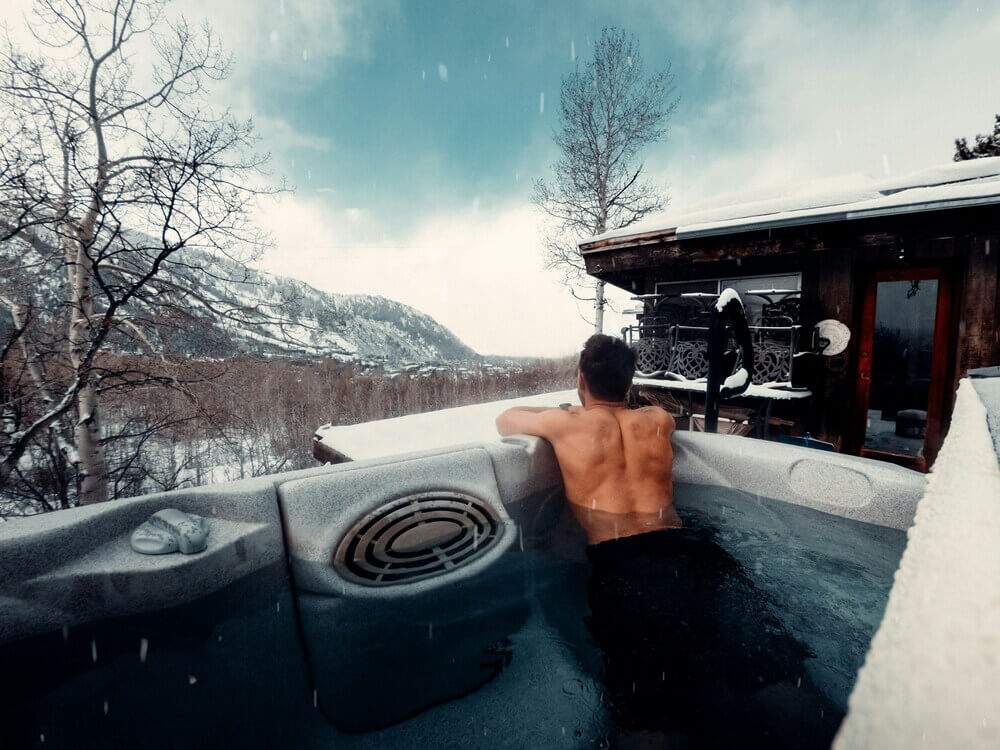
If you are keeping your hot tub on and in use over the winter or keeping the water in but not using it, a key care step is maintaining the ideal hot tub temperature to prevent your water and pipes from freezing.
| Best temperature for a hot tub in winter If you are using your tub, 37°C to 39°C is standard. | Hot tub temperature in winter when not in use If you keep it active but don’t use it often (to prevent freezing), the ideal minimum temperature for a hot tub in winter is around 20 °C. |
But what is the cost?
Cost of running a hot tub in winter
It’s no secret that electricity bills rise when the frost hits. Because the “delta” (the difference between the freezing air and your 40°C water) is so high, your heater works overtime.
Daily Running Costs (Average UK 2026 Tariffs)
Here are some estimates of what it might cost to operate your hot tub over the winter.
| Hot Tub Type | Estimated Daily Cost (Winter) | Estimated Monthly Cost (Winter) |
| Well-Insulated Hard-Shell | £1.50 – £3.00 | £45 – £90 |
| Standard Inflatable Tub | £4.00 – £6.00 | £120 – £180 |
| Economy/Foam Inflatable | £2.50 – £4.00 | £75 – £120 |
Factors that push up the price
- The “Air Bubble” Tax: Running your air jets for 30 minutes can drop the temperature by 2-3°C instantly. In winter, this can add £ 0.50–£1 to a single session in reheating costs alone.
- Wind Exposure: An unsheltered tub loses heat through the side walls much faster. Placing your tub in a sheltered spot can save you up to 20% on energy.
- Water Temperature: Dropping your “resting” temperature from 40°C to 37°C when not in use can save roughly 10% on your monthly bill.
Top Tips to Keep Your Hot Tub Warm in Winter
- Invest in a floating thermal blanket: One of the most cost-effective upgrades you can make. A thermal bubble blanket sits directly on the water’s surface, creating an extra air pocket that prevents heat from rising and hitting the underside of your main cover.
- Upgrade to an insulated jacket: For inflatable tubs, especially, a “thermal wrap” or insulated jacket acts like a winter coat for your spa. It provides a massive boost to the side-wall insulation, which is usually the weakest point for heat loss. Using a thermal cover or “spa jacket” can reduce winter running costs by up to 30%.
- The “lid-first” rule: It sounds simple, but never leave the lid off for a second longer than necessary. When getting in or out, only peel back half the cover if you’re soaking alone to keep the other half of the water insulated.
- Seal the gaps: Check your cover’s “steam seal”, the thick part of the hinge. If heat is escaping there, you can buy “thermal seals” or even use a heavy towel over the hinge to stop the “chimney effect” from pulling heat out.
- Heat the base: Cold ground will literally “suck” the heat out through the bottom of your tub. Use high-density foam tiles or a dedicated thermal base mat to create a barrier between your spa and the freezing patio or decking.
How to insulate a hot tub for winter
The best way to keep your hot tub at the ideal temperature is to properly insulate it. The way to do this is to keep it covered. Use a high-quality, tapered thermal cover or add a floating thermal blanket on top of the water to double your insulation.
Does hot tub water evaporate in winter?
If you’re wondering, “Do hot tubs lose more water in winter?”, you’re not seeing things, and you don’t have a leak. Hot tubs “lose” more water in winter through evaporation. is higher due to the large temperature difference between the water and the air. So, keep an eye on the level!
Whether filling or topping up, the best way to fill your hot tub in winter is to use a mix of warm water from an indoor tap, if possible, to give the heater a head start (but never use boiling water!). This will also help reduce your water heating costs.

4. Maintenance & Winter Care: How to maintain a hot tub in the winter
If you intend to use it, keeping up your hot tub maintenance in winter requires a slightly different approach than your summer routine. The goal of these hot tub winter care tips is to maximise energy efficiency while protecting the mechanical components from the harsh UK frost.
How to care for a hot tub in the winter
- Check the seal: One of the first hot tub winter maintenance tasks is to check the water seal. Your hot tub cover is your best defence. Ensure the clips are tight and the seal is flush. If steam is escaping, you’re losing money.
- Keep it clean: Use a filter cleaner more regularly. Because you likely won’t want to do a full “drain and refill” in sub-zero temperatures, keeping your filters spotless is the best way to maintain water clarity all winter.
- Winter chemistry: Even if you aren’t using the tub as often, you must still test the water at least twice a week. Bacteria don’t take a winter break!
- Anti-freeze features: If your tub has a “Freeze Protection” or “Auto-Heat” mode, ensure it is activated. This periodically circulates warm water through the pipes to prevent ice blockages.
Can you turn off a hot tub in winter?
In short, it is possible, but we don’t recommend it due to the risks to your tub. If you leave water in your hot tub and turn off the power, you are inviting disaster. Without the heater or the pump moving the water, the standing liquid in the internal pipework will eventually freeze. Because water expands when it freezes, this can cause burst pipes and a cracked pump manifold, repairs that often cost hundreds of pounds.
If you want to save on electricity, it is safer to set the temperature to its lowest setting (usually around 15°C–20°C) rather than turning it off completely.
Can you leave a hot tub outside in the winter?
The answer depends on the type of tub you have:
- Hard-Shell Hot Tubs: Yes, absolutely. These are designed to live outdoors year-round. With their robust cabinets and high-quality insulation, they can withstand snow, ice, and wind, provided they remain powered.
- Inflatable Hot Tubs: While you can leave them out, they are highly susceptible to the elements. PVC liners can become stiff and brittle in freezing temperatures. If you aren’t planning to use your inflatable tub regularly, the safest option is to clean it, dry it thoroughly, and store it in a frost-free environment, such as a garage or shed.
5. Freeze Prevention, Safety & Troubleshooting Errors
When the temperature stays below zero for a few days, your hot tub enters a “high-risk” zone. Understanding how to prevent ice formation is the best way to avoid technician call-out fees and pricey fixes.
Do hot tubs freeze in the winter?
Yes, they certainly can. While the large volume of water in the main tub takes a long time to freeze, the internal pipework and pumps are much more vulnerable. Because these pipes are smaller and hold less water, they can freeze solid in just a few hours if the heater fails or power is cut off. Once water freezes, it expands, which is the primary cause of cracked pipes, leaking manifolds, and damaged pumps.
How to keep a hot tub from freezing during winter
Prevention is much cheaper than a repair. Follow these steps to keep your spa safe during a cold snap:
- Utilise “auto-heat”: Most modern tubs have a built-in freeze protection sensor. Ensure this is never disabled in your settings.
- Keep the pump moving: If you are expecting a “Beast from the East” style freeze, set your filtration cycles to run more frequently. Moving water is much harder to freeze than standing water.
- Secondary heat sources: In extreme emergencies (such as a heater failure), some spa owners place a small ceramic space heater inside the cabinet (away from water) to keep the pipes warm until help arrives.
- Thermal blankets: Use a floating thermal blanket on the water’s surface. This provides an extra layer of insulation directly on the surface, keeping the heat where it belongs.
Troubleshooting & Advanced Tips
“My hot tub has an ‘ICE’ or ‘LF’ error!”
Don’t panic! This usually indicates that water flow is restricted or that sensors detect a risk of freezing.
- Check the filters: Cold water makes body oils and lotions thicker, which can clog filters much faster than in summer. A clogged filter restricts flow, triggering “Low Flow” (LF) errors.
- Check for ice: If you see an “ICE” code, the tub has likely entered its own emergency mode to prevent damage. Ensure the water level is correct and clear any debris from the suction intakes.
Advanced Insulation
For those looking to save on their winter energy bills:
- Reflective insulation: For hard-shell tubs, add additional foil-backed insulation to the cabinet walls. This reflects heat back toward the pumps and pipes, significantly lowering your heating bill and providing an extra safety net against freezing.
- Base insulation: For inflatable tubs, ensure you aren’t losing heat through the ground. A thick, foam-based heat mat is essential when the floor temperature drops.
Winterise your hot tub with Discount Leisure Products
Navigating a British winter as a hot tub owner doesn’t have to be stressful. Whether you choose to embrace the “winter soak” for its incredible health and wellness benefits, or you prefer to “winterise” your tub to save on energy and maintenance, the secret to success is preparation.
By properly purging your lines, investing in high-quality insulation such as thermal blankets, and staying on top of your water chemistry, you ensure your investment remains protected against the harshest frosts. Remember, a hot tub is a significant investment in your relaxation. Taking these small steps now will prevent costly repairs and ensure your spa is ready whenever you’re ready for a dip.
At Discount Leisure Products, we are committed to helping you enjoy your leisure time year-round without the stress. From hot tub cleaning products and winterisation chemicals to spa accessories for year-round bathers, we have everything you need to keep your water crystal clear and your equipment safe.
Related guides:
Comments are closed here.