
Seasonal Pond Fish Feeding: How to Care For Fish in Autumn & Winter
Taking pride in your pond means providing proper attention and maintenance year round so it’s always looking its best and the life inside it can thrive. Your pond fish have different seasonal needs, so it’s important to know how to care for them at different times of the year.
At Discount Leisure Products, we want to help you care for your pond and its fish as the weather gets colder to give you peace of mind that you’re giving your garden’s centrepiece the best possible treatment.
Find out how much you need to feed your fish during cold-weather seasons, how to keep an eye on your pond’s condition, and how to maintain it in our comprehensive guide.
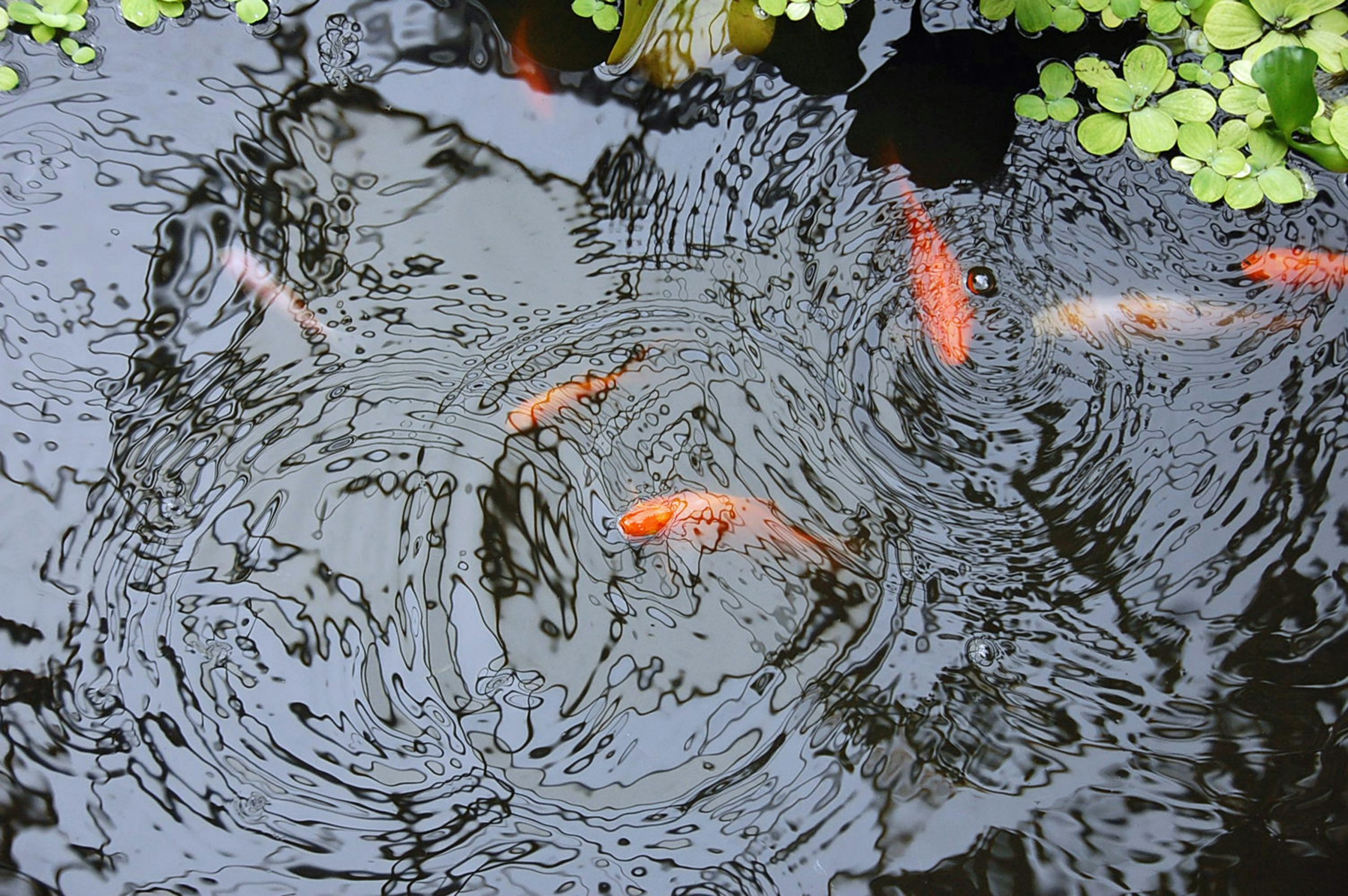
Table of contents
- Should you feed pond fish in winter?
- How long can koi fish go without food?
- How to monitor your pond temperature
- Pond care tips for autumn & winter
- Pond supplies and treatments at Discount Leisure Products
Should you feed pond fish in winter?
Overfeeding your fish is a realistic and, unfortunately, all too common risk facing your pond-dwelling friends. Regulating how much feed your fish get is crucial in maintaining their health and well-being. It’s even more important to do this in autumn and winter when the risk of overfeeding greatly increases.
If your pond has only a few fish, you won’t need to feed them regularly, no matter the season. This is because small fish are adept at finding their own feed via insects and larvae already in the pond. More densely populated ponds will require a regular feeding schedule so all your fish get the sustenance they need.
Regular feeding should be dialled back once the water temperature drops below 10°C. Should the temperature exceed 10°C, you can resume daily feeding. We recommend restricting feed in colder temperatures as cold-blooded fish have an incredibly slow metabolism during cold seasons. Feeding your fish once or twice weekly with a handful of feed should be sufficient in cold weather.
What to feed fish when the temperature lowers?
It’s not just feeding patterns that change when the winter comes around; the food you give to your fish should change, too. Due to their slow metabolism during winter, protein becomes increasingly difficult for the fish to digest. Instead, you should feed your fish wheatgerm food. At Discount Leisure Products, we stock a vast range of quality wheatgerm food from top brands, including Nishikoi and Kockney Koi Yamitsu. If the pond’s temperature drops below 4°C, stop feeding entirely.
How long can koi fish go without food?

Should your pond be heavily populated with koi carp, feeding once or twice a week may still be too often in winter. Koi fish can go several weeks or even months without food when the water temperature drops below 10°C. This natural survival instinct of koi carp developed due to food scarcity in the wild during cold months.
In comparison, koi can go up to two weeks without feed during summer, so their durability during autumn and winter is no surprise. During winter, koi will feed off the pond’s plants in moderation, which will be more than enough to sustain them and keep them healthy during the harshest winters.
To ensure you are feeding (or, in this case, not feeding) your pond’s fish appropriately, you’ll need to know how to monitor the water temperature regularly.
How to monitor your pond temperature
Get ahead of the weather by ensuring you have a pond thermometer, such as Kockney Koi Yamitsu’s pond & pool model, prepared by summer’s end. Use the attached string to keep the thermometer in place so it stays securely in the pond to provide an accurate reading.
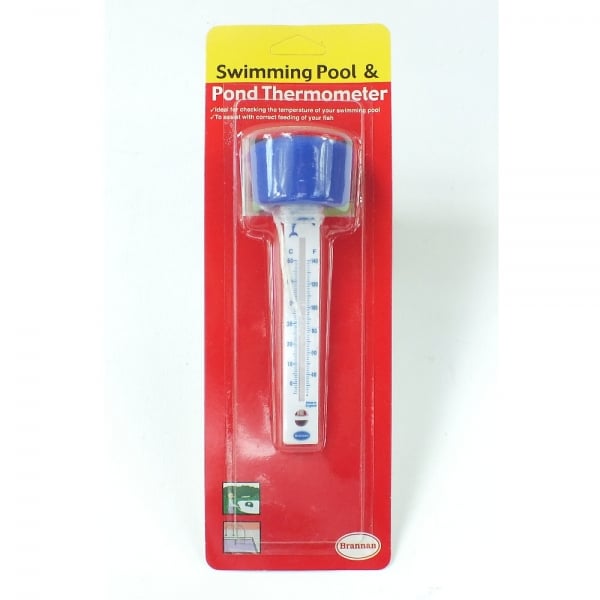
Once your thermometer is secured, you can check your temperature daily to determine if and how much you should be feeding your fish.
Pond care tips for autumn and winter
Monitoring water temperature and assessing how much feed your fish require are great ways of maintaining your pond life’s health and sustainability through the winter. It’s also important for your fish and your garden that the pond itself is treated with care year-round.
We’ve listed our essential pond care tips for autumn and winter so your garden’s pride and joy can thrive and prepare for the bloom periods of spring and summer.
Regularly remove excess leaves
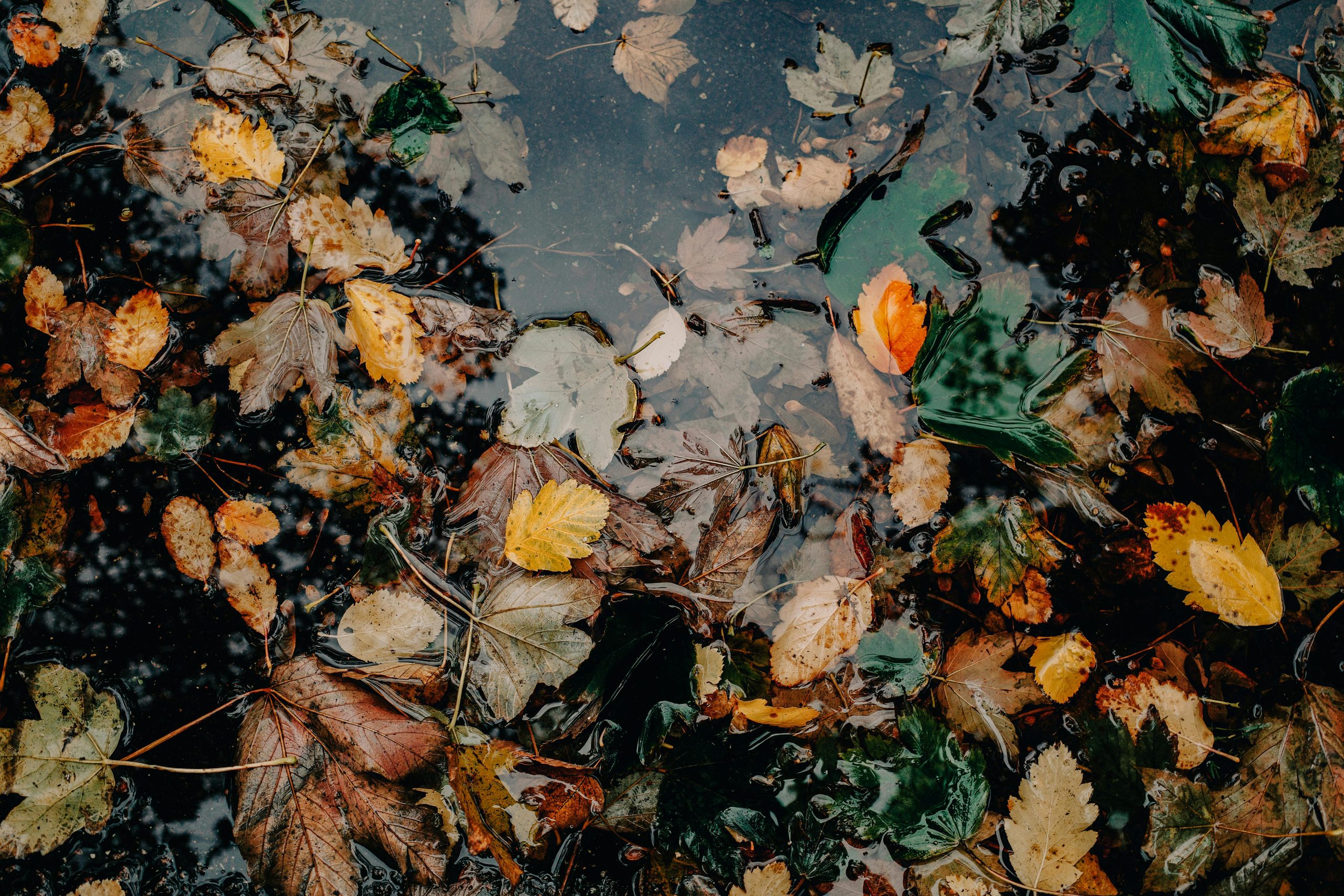
Protect your fish and the pond’s ecological balance by removing any excess leaves that fall onto the pond’s surface. If these leaves are left to decay, they can greatly decrease the purity of the water and cause future issues. We recommend clearing leaves from your pond once every couple of days to ensure things are fresh.
Keep your pump running
A pond pump is another fantastic way to keep your pond water clean, healthy and oxygenated, but many consider turning theirs off during winter. Ponds with plenty of wildlife should be filtered through the winter months to prevent the water from freezing so your fish can thrive.
Deter any predators
Your fish aren’t the only ones surviving off scraps during the winter, and, unfortunately, they can become the targets of particularly hungry predators like birds. Invest in protective equipment like heron deterrents for your pond to protect your fish from any feathered foes this winter.
Prune overgrown plants
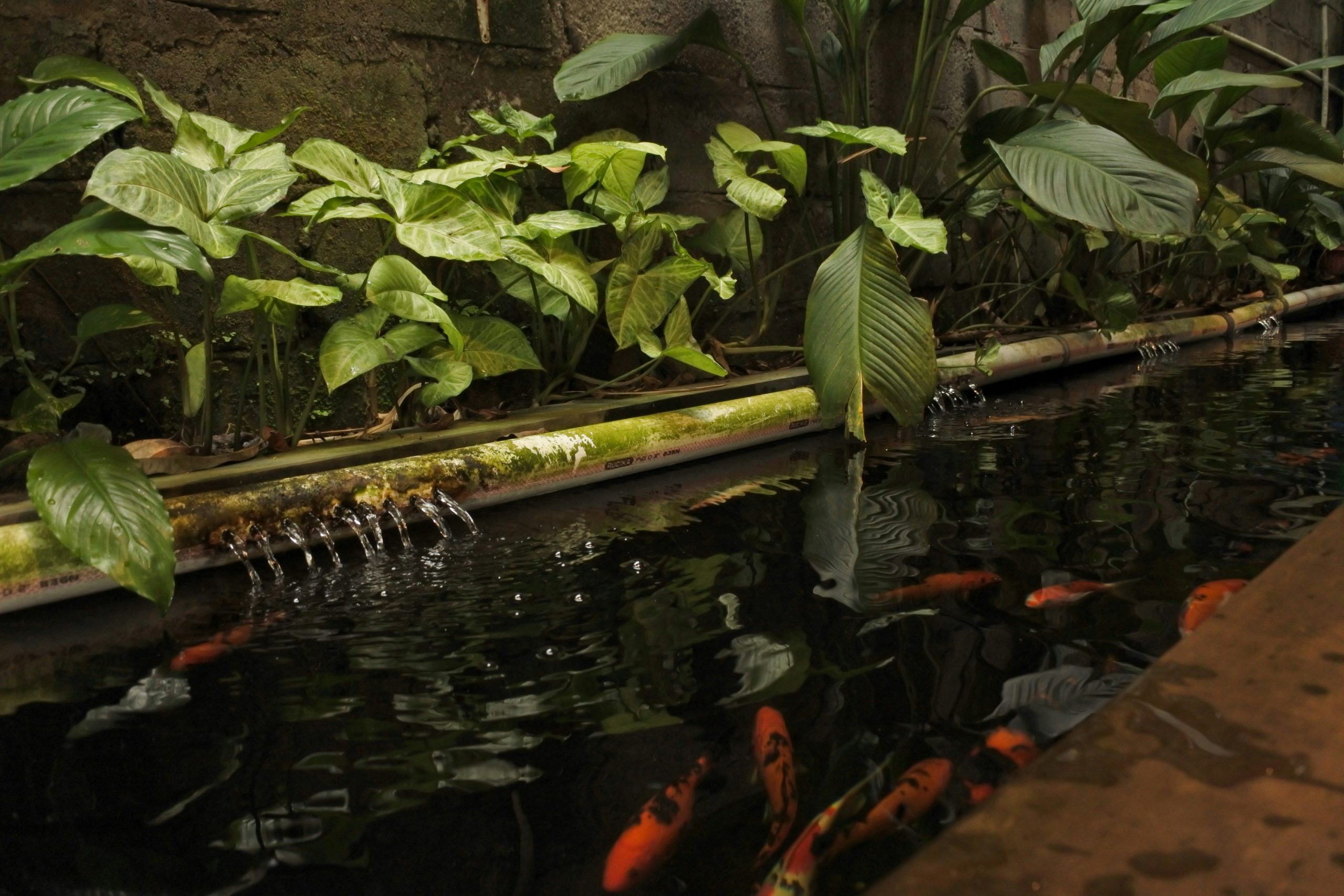
Like fallen leaves, overgrown plants surrounding the pond that die and fall in can have similar negative effects on the water’s ecological state. The bigger plants could even block the already minimal sunlight from reaching the pond, so it’s wise to keep an eye on surrounding plants and prune where necessary.
Pond supplies and treatments at Discount Leisure Products
Ensure your pond and fish easily survive the winter by browsing our varied selection of pond supplies and treatments at Discount Leisure Products. While you may feed your fish less during the winter, it’s always sensible to stay stocked up on fish food for when their appetites grow later in the year.
Our collection features high-quality food available at a fantastic value. We also offer pond maintenance equipment that helps you stay on top of the state of your pond and solve any minor or major issues quickly and efficiently.
Browse our range today and ensure your pond’s safety for the coming cold months and beyond.
Comments are closed here.