
Which is the Best Fish Tank to Buy in the UK?
Choosing the right fish tank is one of the most crucial steps in establishing a healthy, long-lasting aquarium. Whether you’re completely new to fishkeeping or looking to upgrade, it’s easy to feel overwhelmed by the choice of tanks available.
Do you need a tropical setup or a cold-water tank? Should you go for a small or large aquarium? And how do you ensure it’s easy to maintain?
This guide will walk you through the essential factors to consider when buying a fish tank. We’ll examine various tank sizes, fish types, and features such as filtration and heating, as well as which tanks are best suited for beginners or more experienced hobbyists. By the end, you’ll have a clearer idea of which fish tank will work best for your home and the type of aquatic life you’d like to keep.
Table Contents:
- Matching Your Fish to Your Tank
- Choosing the Right Tank Size
- Why Filtration Matters in Any Tank
- Do You Need a Heater?
- Thinking About Maintenance
- Recommended Fish Tanks by Type
- Frequently Asked Questions
- Final Thoughts: Which Fish Tank is Right for You?
Matching Your Fish Tank to Your Fish
The first decision when buying a tank should be based on the fish you want to keep. Different species have different needs, particularly in terms of temperature, water quality, and space.
Tropical fish (such as tetras, mollies, or guppies) need heated water and tend to thrive in a well-planted tank with a stable temperature between 24°C and 27°C. These fish are colourful, active, and popular with beginners, provided you’re comfortable managing water temperature.
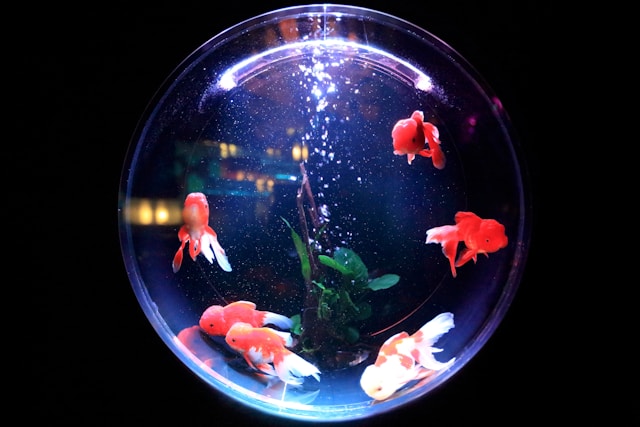
Cold-water fish, such as goldfish, do not require a heater but do need ample space and good filtration. Although commonly kept in bowls, goldfish can grow quite large and live for many years in the right environment. They’re best suited for medium to large tanks, even if you’re keeping only one or two.
It’s also important not to mix fish with different temperature requirements. While it might be tempting to create a varied community tank, tropical and cold-water fish have very different environmental needs and shouldn’t be kept together.
Choosing the Right Tank Size
One of the most common questions among first-time fishkeepers is: What size tank should I buy?
The answer depends on the number and type of fish you want to keep, but as a general rule, larger tanks are easier to manage than smaller ones. They offer more stable water conditions, provide additional swimming space, and facilitate better oxygen circulation. Small tanks, while appealing for their space-saving size, can be more sensitive to changes in temperature and water quality.
For example, a 20 to 25-litre tank is suitable for a single betta fish or a few small shrimp, but not much else. These setups can work well in smaller homes or offices and are relatively easy to maintain when lightly stocked. However, they aren’t ideal for beginners looking to keep a variety of fish.
If you’re hoping to keep a small group of tropical fish, such as neon tetras or guppies, a 40 to 60-litre tank is often a better starting point. Doing this gives the fish more space, supports more stable water conditions, and allows you to add plants and decorations without overcrowding the tank.
When it comes to goldfish, people are often surprised at how much space they need. A pair of goldfish will require at least 60 litres, and ideally closer to 90 or 100 litres. Goldfish grow quickly and produce more waste than many other species, which places extra demand on the tank’s filtration system.
In short:
- A 20–25L tank is suitable for a single betta or very small fish.
- A 40–60L tank suits small tropical communities.
- A 60L+ tank is recommended for two goldfish or a larger tropical setup.
Why Filtration Matters in Any Tank
Regardless of the tank’s size or the fish you choose, a filtration system is essential. Filters remove harmful waste products, circulate water to distribute oxygen, and support the beneficial bacteria that maintain water quality.
Many beginner fishkeepers underestimate how quickly waste builds up in an aquarium, even with just a few fish. Without filtration, toxic compounds such as ammonia and nitrites can build up rapidly, leading to poor water quality and stressed or unhealthy fish.
Tanks with built-in filters are a popular choice for beginners because they reduce setup time and are often easier to maintain. These filters are typically quiet, energy-efficient, and discreetly concealed, contributing to a cleaner and more aesthetically pleasing appearance.
If you’re buying a tank that doesn’t include a filter, be sure to choose one that is rated for the size of your aquarium. It’s generally better to slightly oversize your filter than risk underfiltration.
Do You Need a Heater?
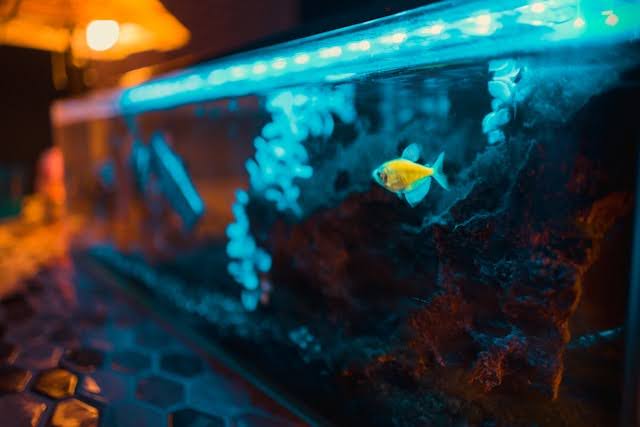
If you’re planning to keep tropical fish, a heater is necessary to maintain a stable water temperature. Fish are sensitive to fluctuations in temperature, and consistency is key to their well-being.
Some fish tanks come with a built-in heater, while others allow you to install one separately. Look for an adjustable heater if you’re keeping species with different temperature preferences, or if your room temperature tends to fluctuate.
Cold-water species, such as goldfish, do not typically require a heater in most indoor UK environments. However, in very cold rooms during winter, a small heater may still be useful to prevent sudden temperature drops. To learn more about caring for your fish during winter, read our ‘Winterising Your Aquarium‘ blog.
Thinking About Maintenance
Many people wonder whether fish tanks are high maintenance. In reality, the right tank setup will make ongoing care much easier.
Tanks that come with a built-in filter, easy-access lid, and cable management features help simplify weekly cleaning and water changes. A well-maintained tank typically needs:
- A partial water change once a week (about 25%)
- Filter media rinsed monthly
- Glass cleaned as needed to remove algae buildup
Smaller tanks may need more frequent monitoring, as their water parameters can change more quickly.
Lighting is another consideration. Most modern tanks come equipped with energy-efficient LED lights that are gentle on fish. Timers can help you simulate a natural day-night cycle, which is especially beneficial for planted aquariums and tropical species.
Recommended Fish Tanks by Type
If you’re not sure where to start, here are a few general recommendations based on fish type and experience level:
Small tanks (20–25L) are ideal for:
- A single betta fish
- Shrimp-only aquariums
- Nano aquascapes
Mid-sized tanks (40–60L) are great for:
- Small tropical communities
- First-time fishkeepers looking for a manageable setup
- Planted tanks with lighting and filtration
Large tanks (60L and above) are best for:
- Goldfish (two or more)
- Larger or more active tropical species
- Hobbyists interested in aquascaping or breeding
If you’re just starting on your aquarium project, a complete starter kit with filter, heater, and lighting can help reduce setup errors and provide everything you need in one convenient package.
Frequently Asked Questions
Q: What size fish tank should I buy?
A: This depends on the type and number of fish, but beginners are often better off starting with a 40 to 60-litre tank. This size strikes a balance between manageability and good water stability.
Q: Are fish tanks a lot of work to maintain?
A: Not if they’re properly set up. With a good filter and a manageable stock level, regular maintenance usually takes about 30 minutes a week.
Q: Can tropical fish and goldfish live together?
A: No. Tropical fish require warm water, while goldfish prefer cooler conditions. Housing them together is likely to stress both species.
Q: How many fish can live in a 25-litre tank?
A: A 25-litre tank is suitable for a single betta fish or a small group of shrimp. Most other fish need more space, so it’s best to keep these tanks lightly stocked.
Q: What’s the best tank for two goldfish in the UK?
A: A minimum of 60 litres is required, but a larger tank of 90–100 litres will be more comfortable and healthier for the fish long term.
Final Thoughts: Which Fish Tank Is Right for You?
There’s no one-size-fits-all answer, but the best fish tank is one that matches your fish’s needs, fits your available space, and makes maintenance simple.
If you’re new to fishkeeping, we recommend starting with a mid-sized tropical tank (40–60 litres) with built-in filtration. If you plan to keep goldfish, opt for a larger cold-water tank (60L or more) with a strong filter and ample space for growth.
Shop Fish Tanks at Discount Leisure Products
Browse a wide range of small fish tanks and larger aquariums at Discount Leisure Products today. Whether you’re starting from scratch or upgrading your current setup, we’re here to help you find the right solution.
Related:
Comments are closed here.